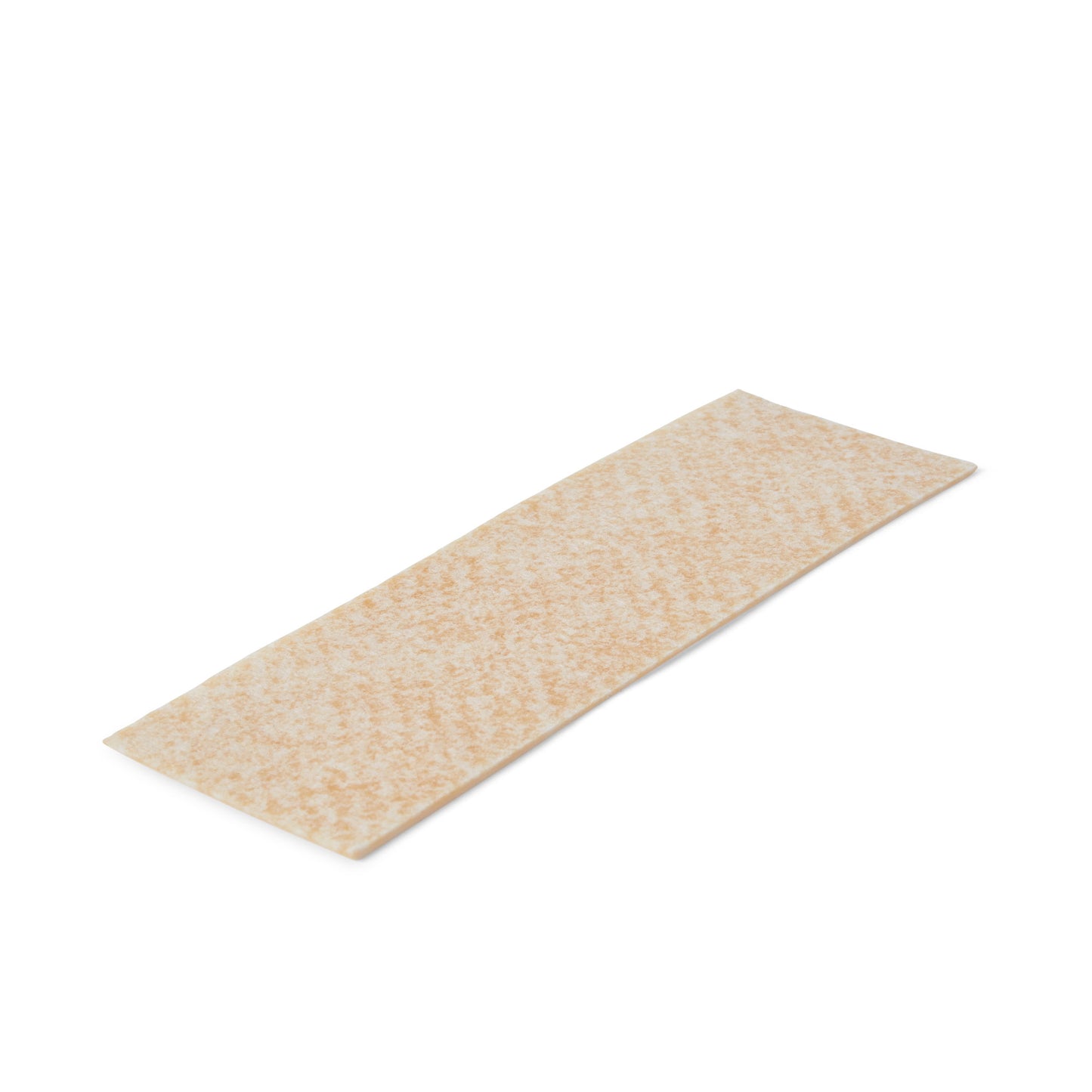
Cortec BioPad® Biobased Emitter powered by Nano VpCI®
Cortec BioPad® Biobased Emitter powered by Nano VpCI®
Couldn't load pickup availability
50 in stock
Cortec BioPad® Biobased Emitter powered by Nano VpCI® is a groundbreaking innovation offers an eco-friendly and sustainable packaging solution to inhibit corrosion on metals.
Cortec BioEmitter® stands as an eco-friendly and user-friendly corrosion prevention solution. It is crafted with a bio-based composition. This product offers a convenient means of safeguarding valuable multi-metal components or parts within an enclosed space of up to 50 cubic feet (1.4m3). Simply put the BioEmitter® onto a clean surface inside the enclosed area. You can use either the hanging hole on the packaging or the four adhesive patches. Enjoy the assurance that your valuables will remain protected for a minimum of one year.
BioEmitter® comes enclosed in a vented cardboard box designed to facilitate the emission of Vapor Corrosion Inhibitors (VCIs) while ensuring there's no direct contact between the pad and metal surfaces. These VCIs disperse throughout the surrounding areas, creating an unseen molecular shield on metal surfaces that effectively seals off air and moisture. As a result, any metal surfaces accessible to air automatically receive protection. BioEmitter® offers extended protection against corrosion, even in challenging conditions such as exposure to salt, moisture, airborne pollutants, as well as substances like H2S, SO2, NH3, and more.
BioEmitter®'s VCIs boast a non-toxic formulation, free from nitrites, silicones, phosphates, or heavy metals. They pose no threat to electrical or chemical properties and are completely safe for use around plastics, elastomers, or painted surfaces. What's more, BioEmitter® is crafted from bio-based, renewable materials, ensuring an environmentally friendly solution.
How to Use
To use BioEmitter®, follow these simple steps:
- Remove the BioEmitter® pad from its packaging, and take off the plastic bag seal.
- Reinsert the BioEmitter® pad into the vented cardboard packaging.
- Hang the BioEmitter® package or attach it to a clean surface using the provided removable, self-sticking patches.
- One BioEmitter® is sufficient to prevent rust and corrosion in an enclosed space of up to 50 cubic feet (1.4 m3). For larger spaces, place multiple BioEmitters in opposite corners.
- Once installed, relax and enjoy peace of mind for a full year!
Features
- Safe to operate
- Convenient installation
- Self-explanatory packaging design
- Provides continuous protection for a year
- Includes an easy-to-use date label
- Effective in polluted and humid environments
- Does not interfere with electrical, optical, or mechanical performance
- Offers multi-metal protection
- Compact and space-saving design
- Created with a high organic substance.
Metals Protected
- Aluminum
- Galvanised Steel
- Brass
- Carbon Steels
- Copper
- Zinc
- Stainless Steel
- Nickel
- Bronze
- Tin
- Titanium
Product Specifications (.PDF)
Frequently Asked Questions
• What exactly is the Cortec BioPad Biobased Emitter, and what makes it special?
The Cortec BioPad Biobased Emitter is a really clever, flexible device designed to stop rust and corrosion on metal items. What sets it apart is that it's made from a biobased non-woven material, making it a more environmentally conscious choice compared to traditional foam emitters. It’s infused with special Vapor phase Corrosion Inhibitors (VpCIs) that do all the hard work.
• How does the Cortec BioPad actually prevent rust and corrosion?
This is where the magic happens! The BioPad releases tiny, invisible VpCI molecules into the enclosed space where your metal items are stored. These molecules then form a super thin, protective layer on all exposed metal surfaces, including those hard-to-reach crevices. This layer acts as a barrier, stopping oxygen and moisture from getting to the metal and causing rust.
• Is the Cortec BioPad a sustainable option for corrosion protection?
Absolutely! The BioPad is designed with sustainability in mind. It's constructed from biobased materials and, thanks to its thin design and high VpCI concentration, it significantly reduces material waste compared to bulkier foam emitters. It’s also free of nitrites and chromates, which are often found in less eco-friendly corrosion inhibitors.
• What kind of metals can the Cortec BioPad protect?
The BioPad is incredibly versatile! It's excellent for safeguarding both ferrous metals (like steel) and non-ferrous metals (such as copper, brass, and aluminum), as well as various alloys. So, if you have a mix of metal components, this product has you covered.
• How does the BioPad contribute to reducing material waste in packaging?
Compared to similar polyurethane foam emitting devices, the BioPad's high VpCI concentration and thin design lead to an impressive material reduction of up to 94%. This means less physical packaging material is needed, which is a great win for both your packaging footprint and the environment.
Relevant products you may want to consider:
• What are the key features that make the Cortec BioPad a smart choice for metal protection?
Beyond its biobased composition, the BioPad stands out because it's specially designed with VpCIs impregnated throughout its substrate for consistent protection. It's also super easy to use, works effectively even in challenging environments with salt, moisture, and various gases, and is free of harmful nitrites and chromates.
• How do I properly use the Cortec BioPad for effective corrosion protection?
Using the BioPad couldn't be simpler! You just need to place the correct size BioPad directly into the package or enclosure where your metal items are. The VpCI molecules will then naturally disperse and protect all the metal surfaces within that space.
• Do I need to clean or prepare my metal parts before using the BioPad?
That's one of the best parts – no! Parts protected with the BioPad are always ready for immediate use. There's no need for any messy degreasing or coating removal, which saves you time and effort. Just take the item out of its package, and it's good to go.
• What are some common applications where the Cortec BioPad is typically used?
The BioPad is incredibly versatile and finds its use in preventing rust on a wide array of items. This includes electrical and electronic equipment, marine navigation and communication gear, electric motors, switching components, fuse and power boxes, terminal boxes, and even scientific and measuring instruments, connectors, and terminals.
• Can the BioPad be used to protect sensitive electronic components?
Yes, absolutely! The BioPad is an excellent solution for protecting sensitive electronics. The VpCI layer it forms is non-conductive and won't interfere with the electrical properties of your equipment, ensuring delicate components remain safe and functional.
Relevant products you may want to consider:
- Cortec BioPad Biobased Emitter
- Cortec VPCI 133 ESD Foam
- Cortec VPCI 248 Circuit Board Protective Coating
• Is the BioPad suitable for protecting metal parts during shipping or storage?
The BioPad is perfectly suited for both shipping and storage applications. Its ability to create a protective environment within an enclosed space makes it ideal for safeguarding metal items during transit or for long-term storage, ensuring they arrive and remain rust-free.
• How does the BioPad perform in challenging environmental conditions, like high humidity or salt exposure?
The BioPad is engineered to perform exceptionally well even in the presence of harsh elements. It provides robust protection against corrosion in environments with salt, moisture, hydrogen sulfide (H2S), sulfur dioxide (SO2), and ammonia (NH3).
• Can I use the BioPad in custom packaging solutions or only with standard sizes?
While the BioPad comes in standard sizes like 2"x3", 2"x6", and 8"x8" pads, its flexible nature also allows for custom roll formats. This means you can adapt it to various packaging requirements, offering great flexibility for unique or larger items.
• What are the typical protection volumes for different BioPad sizes?
The protection volume depends on the BioPad size. A 2"x3" BioPad typically protects up to 0.75 cubic feet (0.021 m³) per unit, while an 8"x8" BioPad can protect up to 8 cubic feet (0.23 m³) per unit. For custom rolls, it can protect up to 15 cubic feet per square foot of material.
• Is there a specific type of enclosure or container that works best with the BioPad?
The BioPad works effectively in any enclosed space where the VpCI molecules can concentrate and form their protective layer. This includes various types of packaging like boxes, bags, and even sealed cabinets or equipment enclosures, as long as they provide a relatively contained environment.
Relevant products you may want to consider:
• How long can I expect the Cortec BioPad to provide corrosion protection?
The BioPad is designed for long-lasting protection. While the exact duration can vary depending on the environment and enclosure, it typically provides reliable corrosion inhibition for an extended period, often up to 24 months, ensuring your metals remain protected for a significant time.
• What is the shelf life of the Cortec BioPad if stored properly?
When stored in its original packaging, indoors, and out of direct sunlight at temperatures between 40-100 °F (4-38 °C), the BioPad has a shelf life of up to 24 months. Proper storage helps maintain its effectiveness.
• Does the effectiveness of the BioPad diminish if the package is opened and reclosed?
A great feature of Cortec's VpCI technology, which powers the BioPad, is its self-replenishing nature. This means that even if the package is opened and reclosed, the VpCI layer can re-form, continuing to offer effective corrosion protection.
• How does the BioPad compare in performance to traditional VCI foam emitters?
The BioPad often outperforms traditional VCI foam emitters. It can provide up to two times as much corrosion inhibiting action, all while using significantly less material due to its high VpCI concentration and thin design.
• Will the BioPad leave any residue on my metal parts?
No, you won't have to worry about any sticky or oily residue. The VpCI molecules form an invisible, molecular layer on the metal surfaces that simply dissipates when the item is removed from the protected environment, leaving your parts clean and ready to use.
Relevant products you may want to consider:
• Is the Cortec BioPad safe for both users and the environment?
Yes, the BioPad is designed with safety in mind. It is free of nitrites and chromates, which are often considered hazardous chemicals. Its biobased construction also makes it a more environmentally responsible choice for corrosion protection.
• How should I dispose of used Cortec BioPads?
While the specific disposal instructions should always align with local regulations, Cortec actively promotes environmentally friendly practices. Many of their VpCI products, including films, are recyclable, and Cortec even has recycling programs for VpCI film waste. It's always best to check with your local waste management guidelines for proper disposal of the biobased material.
• Does the BioPad have any certifications that confirm its eco-friendliness?
Yes, the BioPad has been awarded the USDA BioPreferredSM designation. This certification highlights its percentage of biobased content, assuring users of its commitment to sustainable materials.
• Are there any restrictions on where the BioPad can be used due to its composition?
The BioPad's formulation makes it suitable for a wide range of applications and environments. Being free of nitrites and chromates, it generally faces fewer restrictions than older, less environmentally friendly corrosion inhibitors. However, always refer to the product's technical data sheet for any specific guidelines related to highly regulated industries or unique conditions.
• Can the BioPad be used in the automotive industry for protecting vehicle parts?
Absolutely! The BioPad is a great solution for protecting automotive parts during manufacturing, shipping, or storage. It ensures that components like engine parts, electrical systems, and other metal components remain rust-free until they are needed.
Relevant products you may want to consider:
• How effective is the BioPad for protecting equipment in marine environments?
Given its ability to protect against salt and moisture, the BioPad is highly effective in marine environments. It can safeguard sensitive marine navigation, communication equipment, and other metal components from the corrosive effects of saltwater and humid conditions.
• Is the BioPad a good choice for long-term preservation projects or mothballing equipment?
For sure! The sustained release of VpCIs and the long-lasting protection offered by the BioPad make it an excellent choice for long-term preservation projects or mothballing valuable equipment, ensuring it remains in pristine condition even after extended periods of inactivity.
• Can the BioPad help prevent customer complaints related to rusty parts upon delivery?
Definitely. By providing robust corrosion protection during shipping, the BioPad helps ensure that metal parts arrive at their destination clean, dry, and rust-free, significantly reducing the likelihood of customer complaints and the associated costs of returns or rework.
• How does using the BioPad impact the overall cost-effectiveness of corrosion prevention?
The BioPad offers excellent cost-effectiveness. Its high VpCI concentration means more protection with less material, and the elimination of cleaning and degreasing steps saves on labor and hazardous waste disposal. This leads to significant overall savings in your corrosion prevention strategy.
• Does the BioPad interfere with the functionality or appearance of painted or coated metal surfaces?
No, the VpCI layer formed by the BioPad is extremely thin and does not interfere with the electrical, optical, or mechanical surface properties of metals. This means it won't affect the appearance or functionality of painted or coated surfaces.
- International Delivery
- Bulk Buying Discounts
- Best-in-Class Products